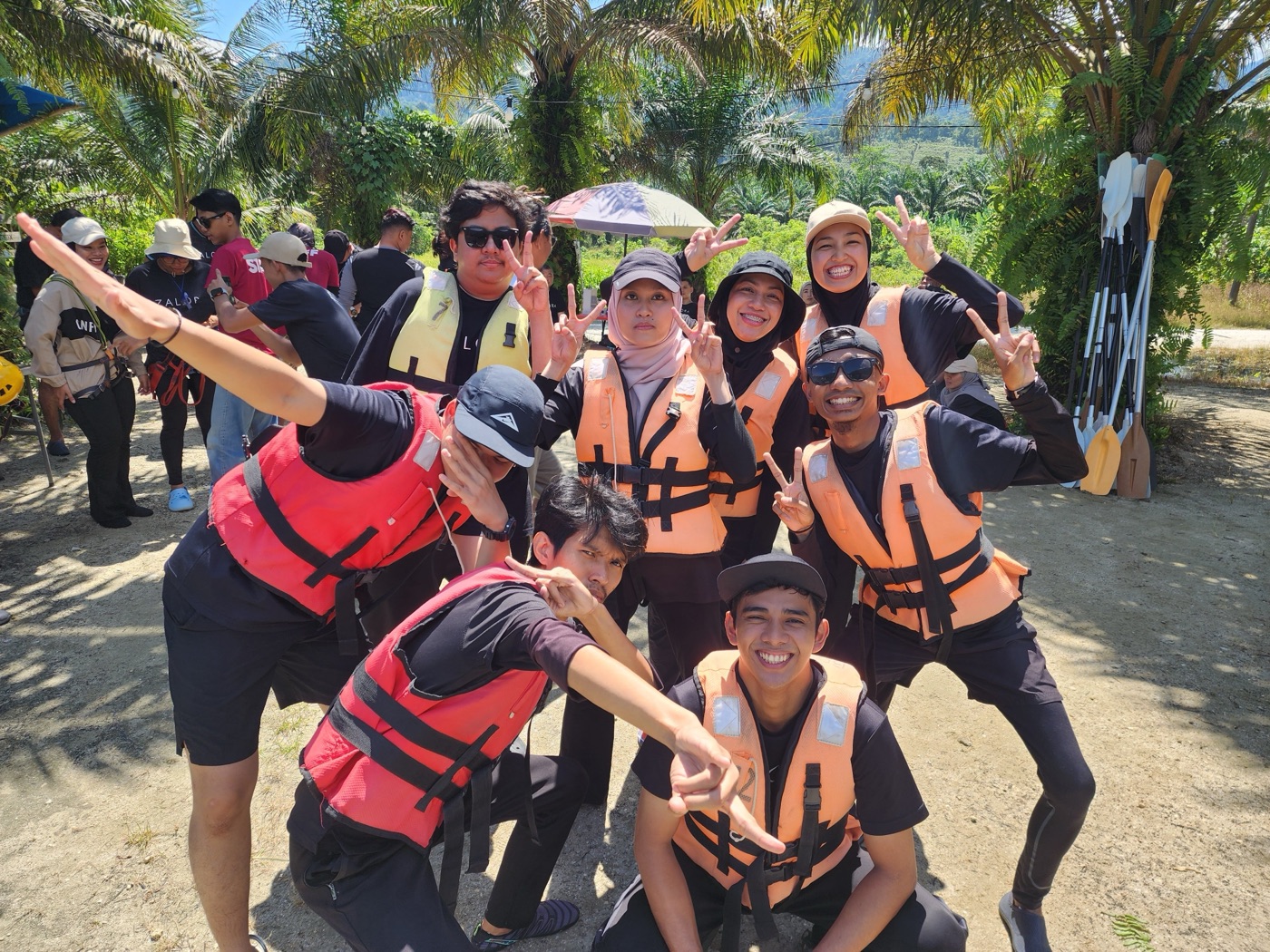
What Future-Ready Corporate Training Looks Like in Malaysia
Written By
Neeta Sharma
Future-ready training is not about predicting the future. It is about designing learning that keeps your people adaptable as the future arrives. Here is what that looks like in practice.
TL;DR Answer
Future-ready training is not about predicting the future. It is about designing learning that keeps your people adaptable as the future arrives. Here is what that looks like in practice.
Key Takeaways
- ✓ Future-ready training shifts from one-off events to continuous, ongoing capability building.
- ✓ It is skills-based and role-relevant rather than generic and content-heavy.
- ✓ Blended delivery combines workshops, on-the-job practice, and reinforcement for lasting change.
- ✓ Measurement of behaviour change and business impact, not attendance, defines success.
- ✓ HRD Corp SBL-Khas funding makes a continuous training model affordable for Malaysian employers.
When Malaysian companies talk about preparing for the future, the conversation often drifts toward predicting which skills will matter. That is the wrong starting point, because no one can forecast precisely how roles will change. Future-ready corporate training is not about predicting the future. It is about designing learning that keeps your people adaptable no matter what the future brings.
This is a deliberate shift in how training is designed and delivered. Drawing on more than 25 years as an HRD Corp certified provider, Redefine Learning Asia sees future-ready training defined by a few clear principles.
1. From One-Off Events to Continuous Learning
The traditional model, a one-day course once a year, was built for a world where skills stayed relevant for a decade. That world is gone. Future-ready training treats learning as continuous: shorter, more frequent inputs that keep capability fresh, rather than a single annual event that is forgotten within weeks.
This does not mean more time away from work. It means smarter sequencing, with learning spaced and reinforced so it actually sticks. The aim is a workforce that is always learning a little, rather than occasionally learning a lot and then losing it.
2. Skills-Based, Not Content-Based
Future-ready training starts from the capabilities a role actually needs, then works backward to the content. This sounds obvious, but most training is organised the other way around, built around available courses rather than real capability gaps.
A skills-based approach means a marketing team might focus on AI-assisted content and analysis, while a frontline leadership team focuses on communication and decision-making. The training maps to the work, not to a generic catalogue.
3. Blended Delivery for Real Behaviour Change
Knowledge transfer alone rarely changes behaviour. Future-ready programmes blend several modes to make learning durable:
- Facilitated workshops to build understanding and practise in a safe setting.
- On-the-job application so new skills are used on real tasks immediately.
- Experiential learning, such as team building training, to develop collaboration and trust.
- Reinforcement and coaching to embed change over time.
This blended design is what separates training that changes how people work from training that simply fills a seat.
4. Built Around the Durable Human Skills
Because no one can predict the exact technical skills of the future, future-ready training puts weight on the capabilities that stay valuable regardless: adaptability, critical thinking, communication, and collaboration. These are the future-proof soft skills that let people absorb whatever change comes next.
In other words, the most future-ready thing you can teach is the ability to keep learning.
5. Measured by Impact, Not Attendance
Future-ready training is accountable. Success is not measured by how many people attended, but by whether behaviour changed and whether that change moved a business metric. This requires defining the intended outcome up front and measuring against it afterwards, an approach we detail in our guide to measuring training ROI.
Make It Affordable with HRD Corp
A continuous, blended training model can sound expensive, but for HRD Corp registered employers much of it is claimable under SBL-Khas. That means a future-ready approach is within reach for Malaysian companies of all sizes. Our HRD Corp claim guide explains how to structure programmes to qualify.
Design Training for What Is Next
Future-ready training is a design choice, not a prediction. By making learning continuous, skills-based, blended, and measurable, Malaysian companies build a workforce that adapts faster than the change around it.
Redefine Learning Asia helps organisations design exactly this kind of programme. Explore our training solutions or talk to us about building a future-ready learning plan.
Related Articles

Leadership Training Malaysia: Complete HR Guide for 2026
A comprehensive HR guide to leadership training in Malaysia — covering program types, competency frameworks, ROI measurement, HRD Corp claimability, and how to select the right provider.

How to Measure Training ROI After Team Building (Practical Guide for Malaysian HR)
A practical guide to measuring the return on investment of team building programs using Kirkpatrick's 4 levels, specific KPIs, and survey templates — with real Malaysian examples.
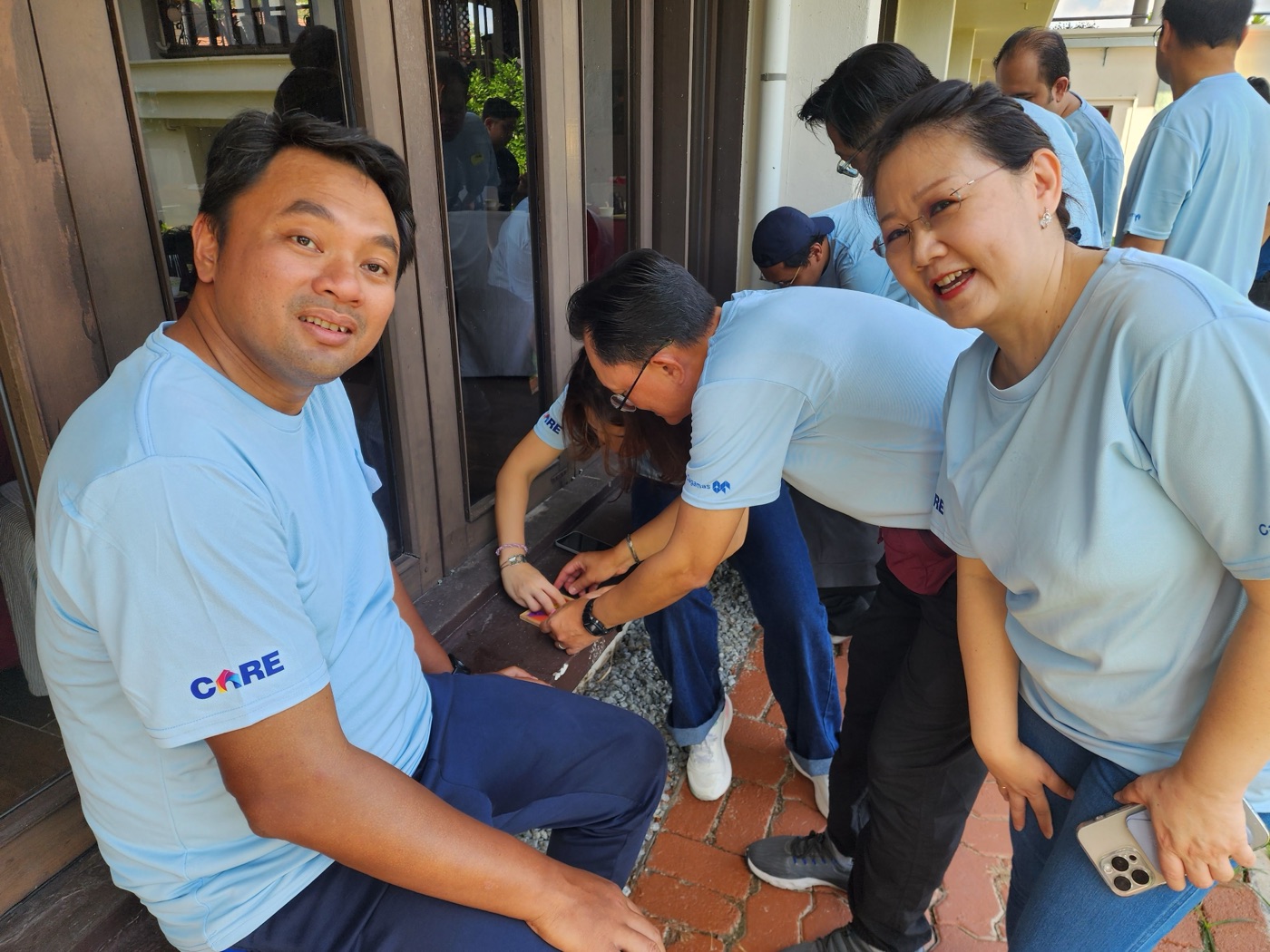
Building a Future-Proof Learning Culture in Malaysian Companies
Individual courses fade. A learning culture compounds. Here is how Malaysian companies can build a future-proof learning culture that keeps the whole organisation adaptable.
Inspired by this read?
Let's discuss how we can bring these insights into your next corporate training or team building session.