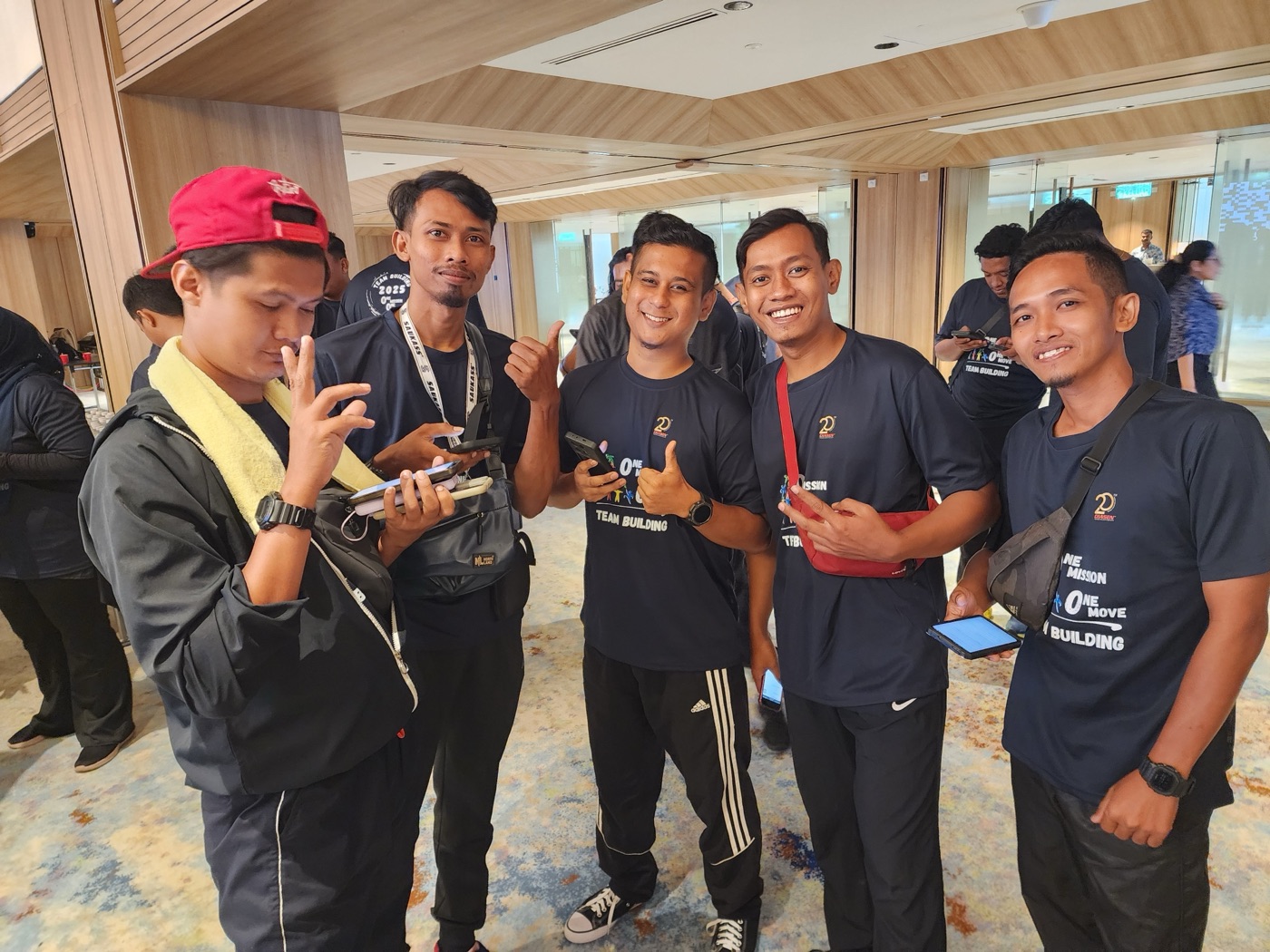
The Future-Proof Soft Skills Every Malaysian Professional Will Need
Written By
Neeta Sharma
As automation handles more technical tasks, the skills that stay valuable are distinctly human. These are the future-proof soft skills Malaysian professionals should be building now.
TL;DR Answer
As automation handles more technical tasks, the skills that stay valuable are distinctly human. These are the future-proof soft skills Malaysian professionals should be building now.
Key Takeaways
- ✓ As AI absorbs routine technical work, durable human skills become the real differentiator at work.
- ✓ Adaptability and continuous learning are now baseline expectations, not nice-to-have traits.
- ✓ Critical thinking is what makes AI-assisted work trustworthy rather than merely fast.
- ✓ Communication and collaboration determine how well ideas and AI outputs actually land with people.
- ✓ These soft skills can be deliberately trained, and HRD Corp claimable programmes make it affordable.
Technical skills have a shelf life. The specific tool, platform, or process you master today may be automated or obsolete in a few years. What does not expire is the set of human capabilities that let people adapt, reason, and work well with others. For Malaysian professionals navigating an AI-shaped workplace, these soft skills are quietly becoming the most future-proof investment of all.
Redefine Learning Asia has spent more than 25 years helping Malaysian organisations build these capabilities. Here are the soft skills we believe will matter most in the years ahead, and why.
1. Adaptability and Continuous Learning
The single most valuable trait in a fast-changing workplace is the ability to keep learning. Roles are being redefined faster than ever, and the professionals who thrive are those who treat change as normal rather than threatening. Adaptability is no longer a personality bonus, it is a core job requirement.
This skill can be developed deliberately through exposure to new challenges, structured reflection, and a learning culture that rewards curiosity. It is also the foundation of every other skill on this list, because it is what keeps them current.
2. Critical Thinking and Judgement
In an age where AI can generate a confident answer to almost any question, the ability to evaluate that answer becomes priceless. Critical thinking, knowing how to question assumptions, weigh evidence, and spot flawed reasoning, is what separates useful AI-assisted work from convincing nonsense.
This is the human skill that makes AI skills actually safe to use. A professional who can think critically turns AI into a powerful assistant. One who cannot becomes a fast producer of mistakes.
3. Communication That Connects
As more analysis and drafting is automated, the human work shifts toward communication, explaining, persuading, aligning, and building trust. The professional who can take a complex idea and make it land clearly with a client, a team, or a board will always be in demand.
Communication also includes the increasingly important skill of writing well, since so much work now happens asynchronously across messages, documents, and email. We explore this further in our communication skills guide for Malaysian teams.
4. Collaboration and Emotional Intelligence
Work is more cross-functional and more hybrid than ever. The ability to collaborate across teams, cultures, and time zones, and to read and manage emotions in the process, is a genuine competitive skill. Emotional intelligence underpins everything from conflict resolution to leadership.
These are exactly the capabilities that experiential learning builds well, which is why structured team building training in Malaysia has become a serious development tool rather than just a social outing.
5. Resilience and Self-Management
Faster pace and constant change place real demands on individuals. Resilience, the ability to stay effective under pressure and recover from setbacks, along with the self-management to prioritise and focus, increasingly determines who sustains high performance over time.
These Skills Can Be Trained
A common misconception is that soft skills are innate, that you either have them or you do not. In practice they respond very well to structured training, practice, and feedback. The companies that invest in them deliberately build a workforce that adapts to whatever comes next.
For a deeper look at the specific skills Malaysian employers are prioritising, see our companion piece on the soft skills Malaysian companies need in 2026. And because these programmes can be HRD Corp SBL-Khas claimable, building them is more affordable than most employers expect.
Talk to Redefine Learning Asia about a soft skills development programme tailored to your team, or explore our full training solutions.
Related Articles
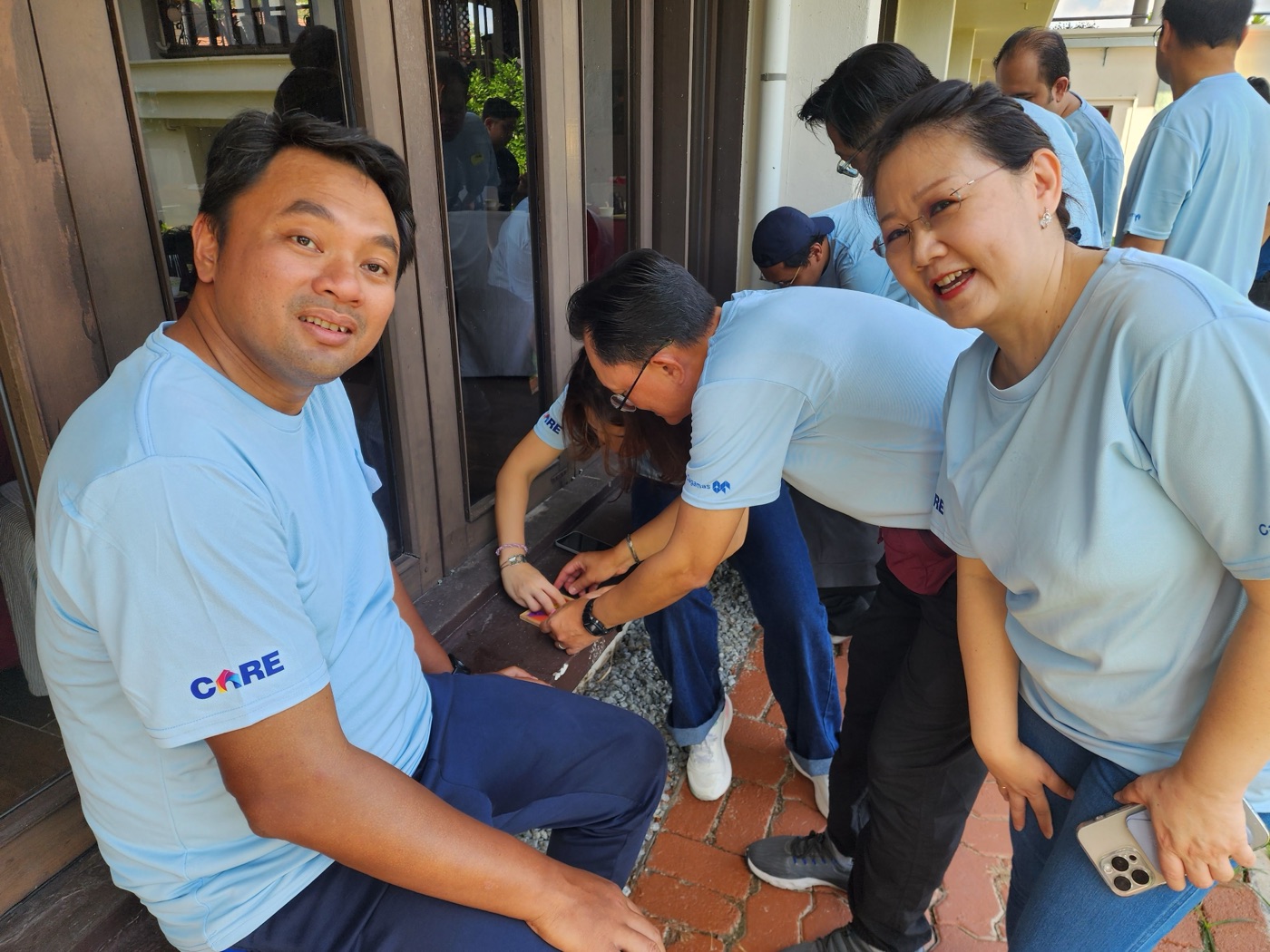
Why Soft Skills Training Matters More Than Ever for Malaysian Companies
Technical skills get people hired. Soft skills determine whether they lead, collaborate, and stay. Here is why Malaysian companies are investing in structured soft skills development.
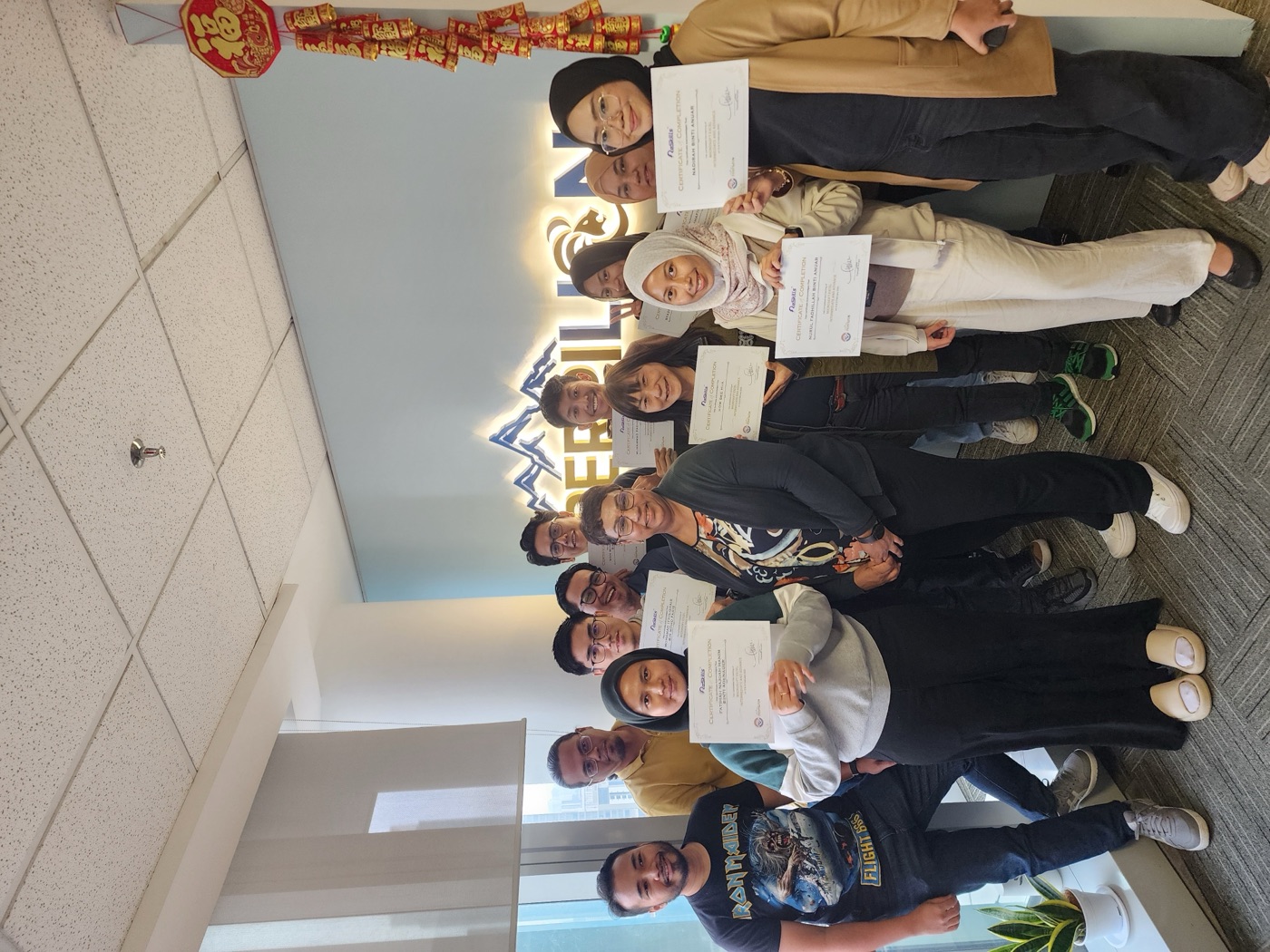
EQ and Emotional Intelligence in the Workplace: A Guide for Malaysian Teams
Emotional intelligence is the single biggest predictor of workplace success. Learn how EQ training transforms communication, leadership, and team dynamics in Malaysian organisations.
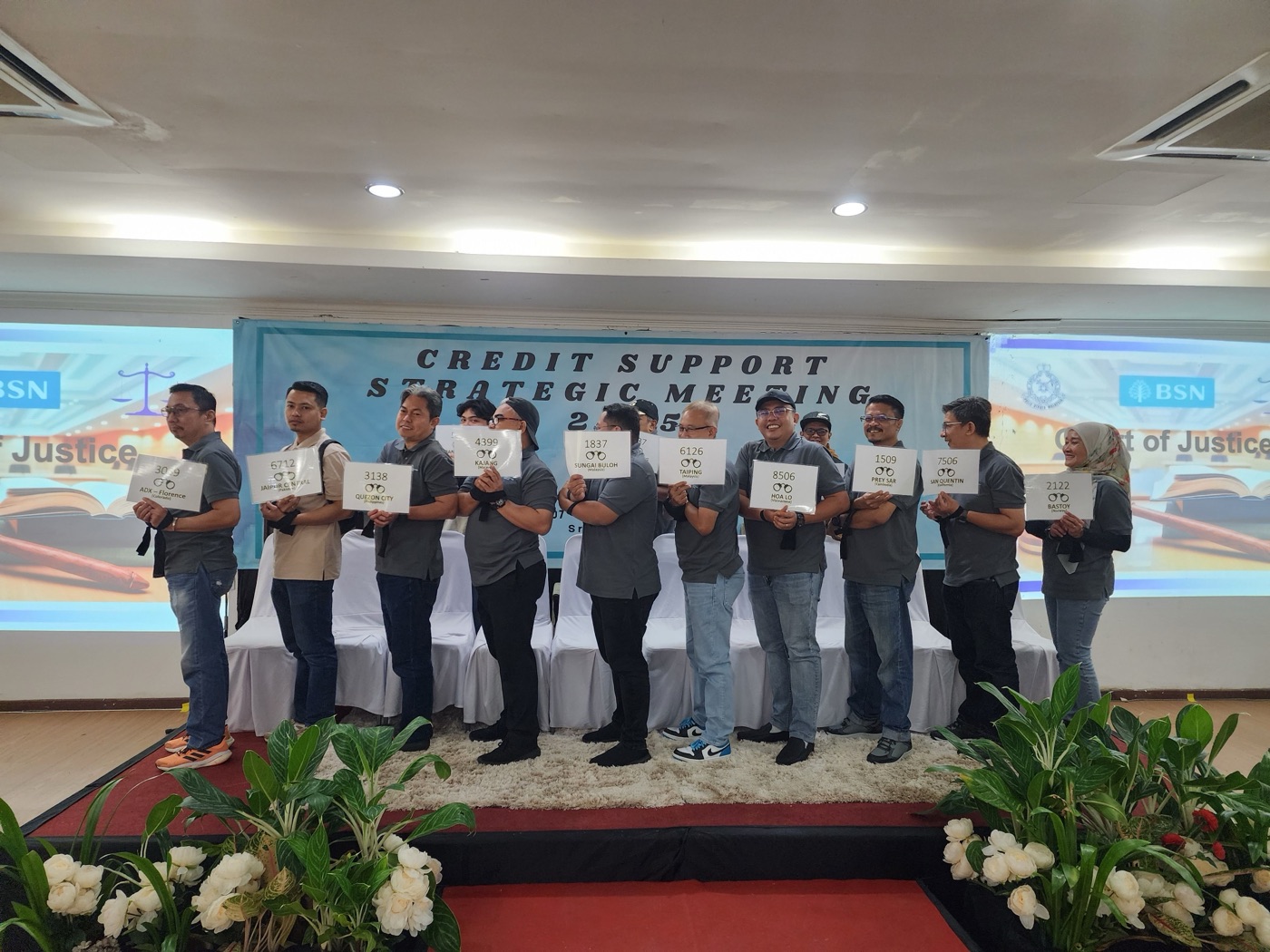
Communication Skills Training in Malaysia: The Complete HR Guide
A comprehensive guide for HR professionals on implementing communication skills training — from Johari Window to DISC, email writing to difficult conversations, with HRD Corp claim pathways.
Inspired by this read?
Let's discuss how we can bring these insights into your next corporate training or team building session.