
Corporate Training Malaysia: The Complete HR Guide for 2026
Written By
Neeta Sharma
Corporate Training Specialist · 25+ Years Experience · HRD Corp Certified
The definitive guide for Malaysian HR managers on corporate training — types of programs, how to choose a provider, measuring ROI, HRD Corp claiming, and building a training budget that drives real business results.
TL;DR Answer
The definitive guide for Malaysian HR managers on corporate training — types of programs, how to choose a provider, measuring ROI, HRD Corp claiming, and building a training budget that drives real business results.
Key Takeaways
- ✓ Malaysian companies spend an average of 1.5–3% of payroll on training, but top performers invest 3–5% and recover most through HRD Corp claims.
- ✓ The 6 core training categories are leadership, soft skills, technical, AI/digital, compliance, and team development.
- ✓ Choose providers based on 5 criteria: HRD Corp registration, industry experience, customisation capability, trainer credentials, and post-program support.
- ✓ Training ROI can be measured using the Kirkpatrick 4-level model: reaction, learning, behaviour, and business results.
- ✓ HRD Corp SBL-Khas can reimburse 50–100% of training costs, making world-class training accessible even for SMEs.
- ✓ The best time to plan annual training is Q4 for the following year, aligning with budget cycles and HRD Corp submission windows.
Corporate training in Malaysia is a RM3+ billion industry, but most HR managers still struggle with the same questions: what programs to run, which providers to trust, how to measure impact, and how to make HRD Corp claims work. This guide answers all of them.
Whether you are building your company's first structured training plan or optimising an existing one, this guide gives you a practical framework for making corporate training decisions that actually move the needle — not just tick a compliance box.
TL;DR: The 6 Things Every HR Manager Needs to Know
- There are 6 core training categories. Know which ones matter most for your organisation right now.
- Budget 1.5–3% of payroll for training. Top performers invest 3–5%.
- Choose providers on 5 criteria — not just price.
- HRD Corp SBL-Khas can reimburse most of your spend.
- Measure ROI at 4 levels (reaction, learning, behaviour, results).
- Plan in Q4 for the following year to align with budget and HRD Corp cycles.
The 6 Core Corporate Training Categories in Malaysia
1. Leadership and Management Development
The most requested category across Malaysian corporates. Covers supervisory skills, middle management effectiveness, senior leadership strategy, and succession planning. Programs range from 1-day workshops to 6-month development journeys.
Who needs it: Newly promoted managers, high-potential employees, and senior leaders navigating organisational change.
Typical investment: RM500–RM2,000 per participant per day.
2. Soft Skills and Communication
Covers professional communication, emotional intelligence, conflict resolution, presentation skills, negotiation, and interpersonal effectiveness. These programs are consistently the highest-rated by participants because the skills are immediately applicable.
Who needs it: Client-facing teams, cross-functional project teams, and anyone who needs to influence, persuade, or collaborate effectively.
Typical investment: RM400–RM1,200 per participant per day.
3. AI and Digital Productivity
The fastest-growing training category in Malaysia in 2026. Covers ChatGPT for workplace productivity, Microsoft Copilot, AI automation, data analysis with AI tools, and responsible AI use. Companies that train their teams on AI tools report 20–40% productivity gains within 90 days.
Who needs it: Every department — from operations to marketing to finance. AI literacy is no longer optional.
Typical investment: RM500–RM1,500 per participant per day.
For a dedicated deep dive, see our AI training for Malaysian companies guide.
4. Team Building and Culture Development
Structured programs designed to improve team dynamics, trust, collaboration, and organisational culture. Not to be confused with recreational team outings — effective team building is a facilitated training experience with documented outcomes.
Who needs it: New teams, post-merger groups, teams experiencing conflict, and departments preparing for organisational change.
Typical investment: RM200–RM700 per participant per day (see our team building cost guide for detailed pricing).
5. Technical and Functional Training
Industry-specific skills training — finance for non-finance managers, project management, quality management, supply chain, data analytics, and cybersecurity. Often delivered by subject-matter experts with deep domain knowledge.
Who needs it: Employees transitioning into new roles, teams adopting new systems or processes, and professionals pursuing certification.
Typical investment: RM600–RM2,500 per participant per day.
6. Compliance and Governance
Mandatory training on workplace safety (OSHA), anti-harassment, data protection (PDPA), anti-corruption (MACC Act), and industry-specific regulations. Non-negotiable for risk management.
Who needs it: All employees (company-wide compliance), with specialised modules for management and legal teams.
Typical investment: RM300–RM800 per participant per day.
How to Choose a Corporate Training Provider in Malaysia
There are over 5,000 registered training providers in Malaysia. The difference between a great provider and a mediocre one is enormous. Use these 5 evaluation criteria:
Criterion 1: HRD Corp Registration
Non-negotiable. If the provider is not HRD Corp registered, your company cannot claim the training cost. Verify registration status on the HRD Corp portal before engaging.
Criterion 2: Industry Experience
A provider who has trained teams in your industry will understand your context, language, and challenges. Ask for references from companies similar to yours in size and sector. A provider with 500+ client organisations across 25 years has seen nearly every team dynamic — Redefine Learning Asia is one such provider.
Criterion 3: Customisation Capability
The best providers do not sell fixed, off-the-shelf programs. They diagnose your team's specific challenges, design a tailored program, and adapt during delivery. Ask: "Will you customise the content to our company's real scenarios?" If the answer is no, move on.
Criterion 4: Trainer Credentials
Who will actually stand in front of your team? Ask for the trainer's bio, years of corporate experience, HRD Corp trainer certification, and specific experience with your program topic. A great provider with a mediocre trainer is still a mediocre experience.
Criterion 5: Post-Program Support
Training impact happens after the workshop, not during. Good providers include post-program evaluation reports, follow-up recommendations, and often a 30-day check-in. Great providers track behaviour change and offer reinforcement sessions.
Building Your Annual Training Budget
Most Malaysian companies underbudget training because they treat it as a cost rather than an investment. Here is how to build a training budget that works:
The payroll percentage method
- Minimum (compliance-focused): 1.5% of annual payroll.
- Standard (balanced development): 2–3% of annual payroll.
- High-performance (strategic investment): 3–5% of annual payroll.
For a company with 100 employees and RM5 million annual payroll, that means:
- Minimum: RM75,000 per year (about RM750 per employee)
- Standard: RM100,000–RM150,000 per year
- High-performance: RM150,000–RM250,000 per year
The HRD Corp multiplier
Here is the part most HR managers miss: if your company contributes 1% of payroll to HRD Corp, and you claim back 80–100% of eligible training costs, your effective training budget is much larger than what you set aside. A RM100,000 budget becomes RM180,000–RM200,000 in actual training purchasing power when you factor in levy reimbursements.
Budget allocation by category
A balanced allocation for a Malaysian company in 2026:
- Leadership and management: 25–30%
- Soft skills and communication: 20–25%
- AI and digital: 15–20%
- Team building: 10–15%
- Technical and functional: 10–15%
- Compliance: 5–10%
Measuring Training ROI: The Kirkpatrick Model
The Kirkpatrick 4-level model is the global standard for training evaluation. Here is how to apply it practically:
Level 1: Reaction (Immediate)
Did participants find the training valuable? Measured through post-program feedback forms. Target: 4.0+ out of 5.0 average rating.
Level 2: Learning (End of program)
Did participants gain knowledge or skills? Measured through pre-test and post-test assessments, quizzes, or demonstrated competency during the session. Target: 20–30% knowledge improvement.
Level 3: Behaviour (30–90 days after)
Are participants applying what they learned on the job? Measured through manager observations, 360-degree feedback, or self-assessment surveys. This is where most companies stop measuring — and where the real value lives.
Level 4: Results (3–12 months after)
Did the training improve business outcomes? Measured through productivity metrics, revenue impact, error reduction, employee retention, or customer satisfaction scores. The hardest to measure but the most important for justifying future investment.
The Annual Training Planning Cycle
The most effective HR teams follow this annual cycle:
Q4 (Oct–Dec): Plan and Budget
- Conduct Training Needs Analysis (TNA) across departments
- Build the training calendar for the following year
- Allocate budget by category and priority
- Shortlist training providers and request proposals
- Review HRD Corp levy balance and plan claim strategy
Q1 (Jan–Mar): Execute Priority Programs
- Launch leadership and strategic programs first
- Submit HRD Corp grant applications early
- Begin company-wide compliance training
Q2 (Apr–Jun): Deliver and Evaluate
- Run the bulk of skills development programs
- Conduct mid-year team building programs
- Evaluate Q1 program effectiveness (Kirkpatrick Levels 1–3)
Q3 (Jul–Sep): Adjust and Reinforce
- Review training progress against annual plan
- Run follow-up or reinforcement sessions for high-priority programs
- Address emerging needs (new technology, restructuring, market changes)
Q4 (Oct–Dec): Review and Plan Again
- Measure full-year training ROI (Level 4 where possible)
- Report training impact to management
- Plan the next year's calendar and budget
In-House vs Public Programs: When to Use Each
| Factor | In-House (Customised) | Public (Open Enrolment) |
|---|---|---|
| Content | Tailored to your company | Generic, broad coverage |
| Group size | 15–100+ participants | 10–30 mixed participants |
| Cost per head | Lower for groups 20+ | Fixed per seat |
| Scheduling | Your preferred dates | Fixed calendar dates |
| Confidentiality | Fully private | Shared with other companies |
| Best for | Team outcomes, culture | Individual skill development |
Why Malaysian Companies Choose Redefine Learning Asia
- 25+ years of corporate training experience with 500+ organisations including Petronas, Shell, Intel, Samsung, Nestlé, Maybank, and Air Asia.
- Full-spectrum training provider covering leadership, soft skills, AI productivity, team building, and compliance.
- HRD Corp registered with end-to-end claim support included at no extra charge.
- Customisation as standard. Every program is designed around your team's specific challenges, not templated slides.
- Proven trainers. Our facilitators have 15–25 years of corporate training experience with documented credentials.
Training Needs Analysis: Where to Start
Before selecting any training provider or program, conduct a structured training needs analysis (TNA). This ensures your training investment addresses real gaps rather than perceived ones:
- Organizational analysis. Review business strategy, upcoming changes (mergers, digital transformation, expansion), and workforce planning forecasts. Identify which capabilities are critical for the next 12–24 months.
- Role analysis. For each department or function, map the competencies required versus the competencies currently available. Common gaps in Malaysian organizations include digital literacy, data-driven decision making, cross-functional communication, and change management.
- Individual analysis. Use performance reviews, 360 feedback, skills assessments, and manager input to identify individual development needs. Group common gaps to create cohort-based training programs that are cost-effective.
- Prioritization. Rank training needs by business impact (revenue, risk, retention) and urgency. Focus your budget on the top 3–5 priorities rather than spreading thinly across 20 programs.
Choosing a Training Provider: Detailed Checklist
Use this checklist when evaluating corporate training providers in Malaysia:
- Active HRD Corp registration with current trainer profiles in e-TRiS
- Minimum 10 years of corporate training experience in Malaysia
- Documented client portfolio with references from similar industries
- Customization capability — not just off-the-shelf slides
- Structured program design with clear learning objectives and assessments
- Post-training support (follow-up sessions, coaching, resource materials)
- Full HRD Corp claim management included (Grant Application through T3/T5)
- Flexible delivery formats (in-person, virtual, hybrid)
- Transparent pricing with itemized quotation
- Insurance and safety protocols for outdoor or experiential programs
Explore our full program catalog, learn about our training solutions, or contact us via WhatsApp for a customised training proposal with full HRD Corp claim support.
Related Articles
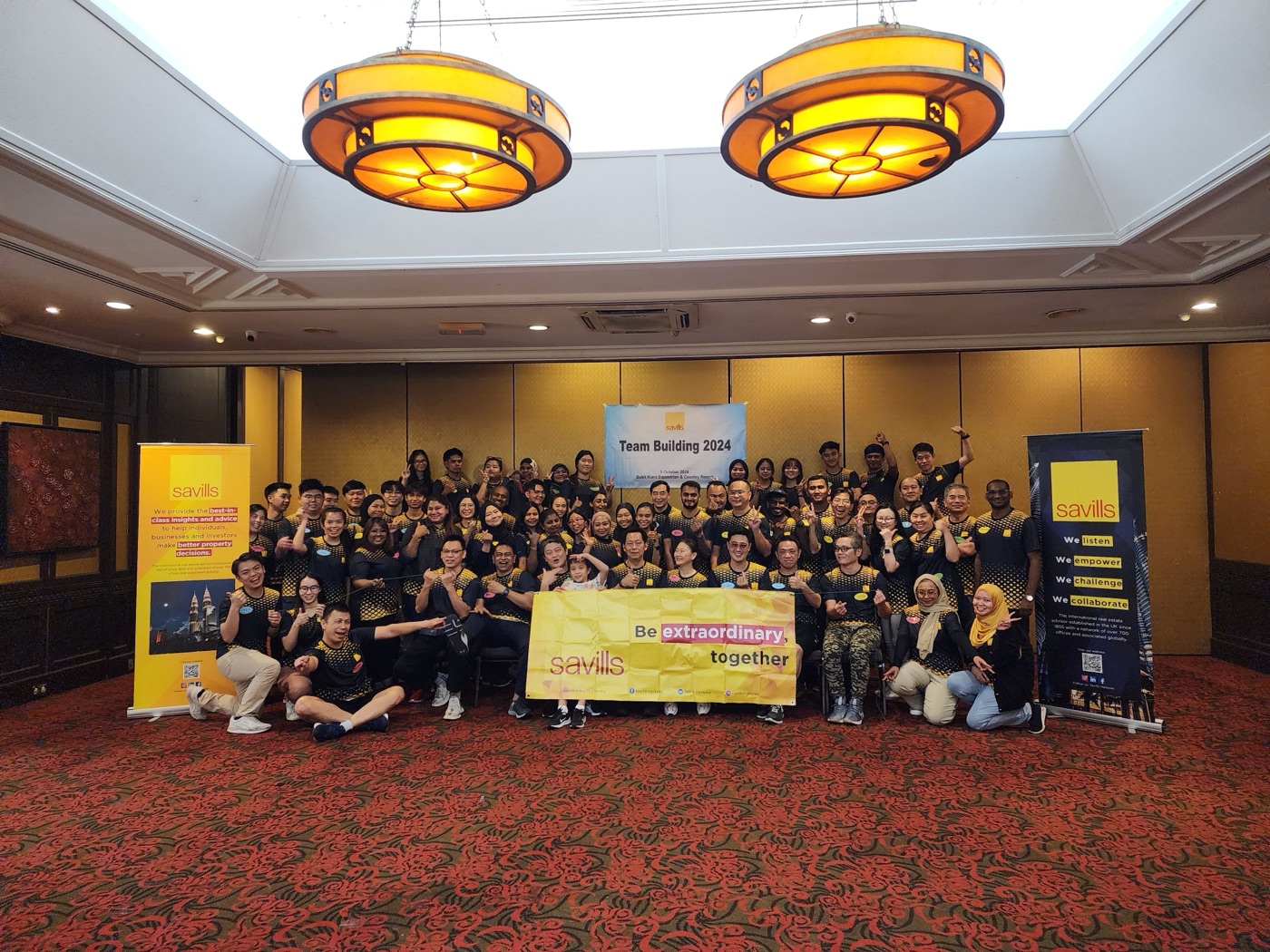
Corporate Training Cost in Malaysia 2026: Complete Budget Planning Guide
Detailed breakdown of corporate training costs in Malaysia for 2026 — from per-person rates to full program budgets, HRD Corp levy offsets, and ROI calculations that justify every ringgit.
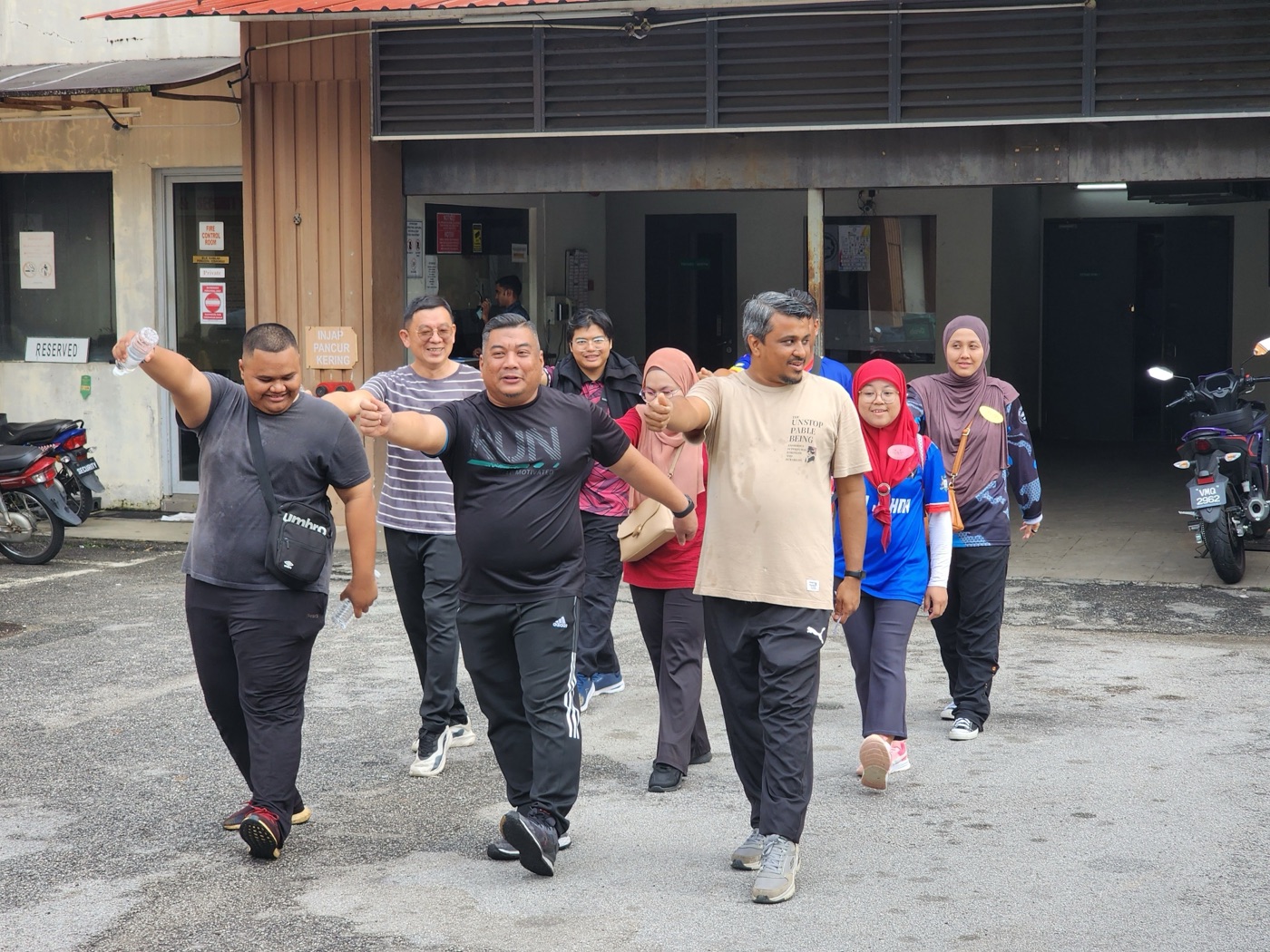
State of Corporate Training in Malaysia 2026: Trends, Data & Outlook
A comprehensive industry report on corporate training in Malaysia — market size, growth trends, AI impact, HRD Corp statistics, and what HR leaders need to know for strategic workforce development in 2026.

Team Building in KL: 15 Group Activities That Actually Build Teams (Not Just “Fun”)
Planning a team session in Kuala Lumpur? Here are 15 indoor + outdoor ideas (with ready-to-use formats) that improve trust, communication, and execution — not just laughter.
Frequently Asked Questions
How do I choose a corporate training provider in Malaysia? +
How much should a company budget for corporate training in Malaysia? +
What types of corporate training are most in demand in Malaysia in 2026? +
How do you measure corporate training ROI? +
Is corporate training in Malaysia HRD Corp claimable? +
What is the difference between in-house and public training programs? +
About Redefine Learning Asia — Redefine Learning Asia PLT (LLP0019661-LGN) is a Malaysia-based corporate training and team building provider with over 25 years of combined facilitation experience. The company delivers HRD Corp claimable programs across team building, leadership, soft skills, AI productivity, onboarding, communication, and workplace capability development for Malaysian organizations. Based in Petaling Jaya, Selangor, serving companies nationwide.
Inspired by this read?
Let's discuss how we can bring these insights into your next corporate training or team building session.