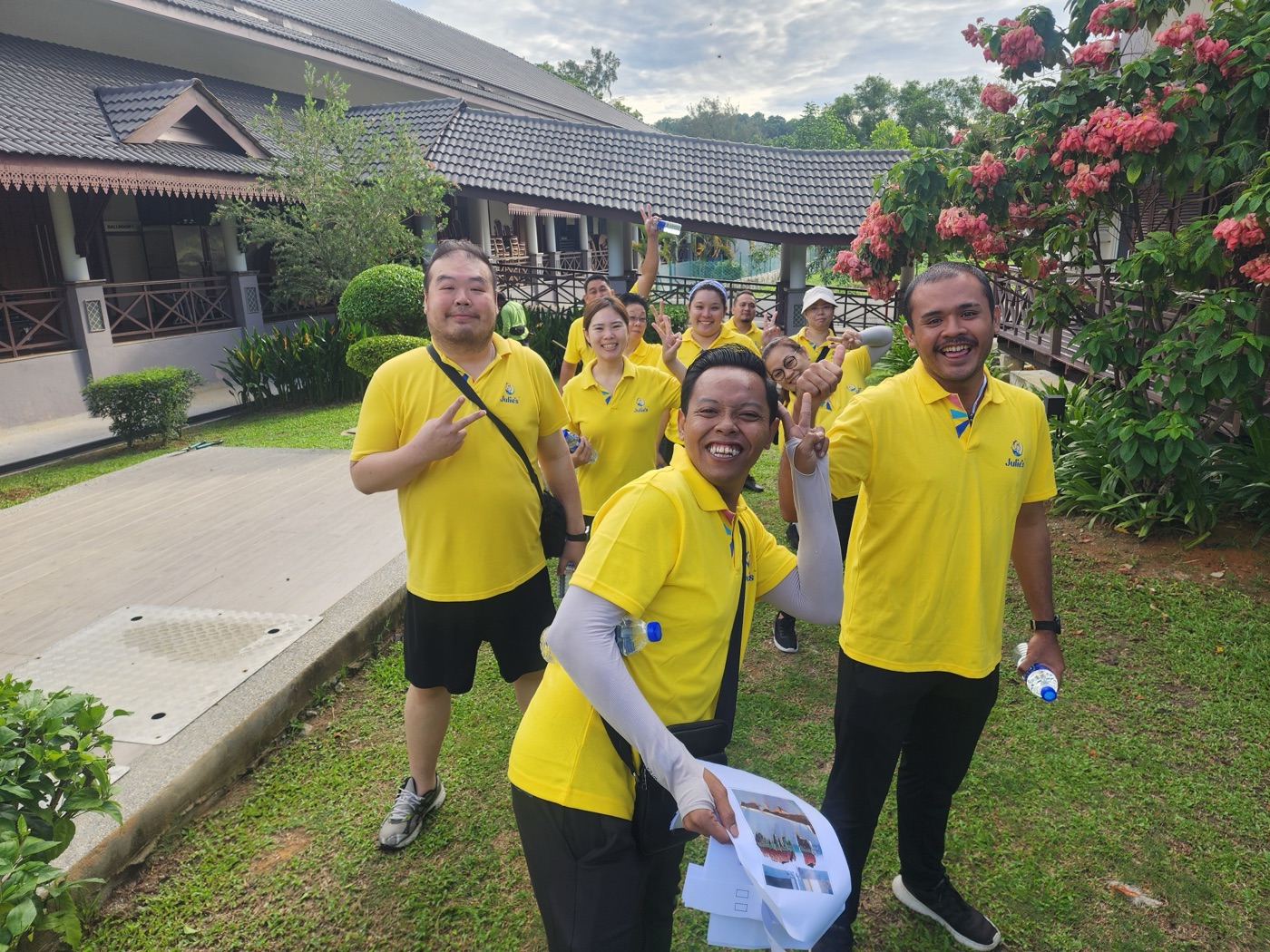
First Aid & CPR Training Cost in Malaysia: A 2026 Guide
Written By
Neeta Sharma
Workplace first aid and CPR training is one of the most affordable safety investments a Malaysian employer can make, and often fully claimable. Here is what it costs in 2026 and what drives the price.
TL;DR Answer
Workplace first aid and CPR training is one of the most affordable safety investments a Malaysian employer can make, and often fully claimable. Here is what it costs in 2026 and what drives the price.
Key Takeaways
- ✓ Workplace first aid & CPR training in Malaysia is usually priced per group per day, not per head, for in-house delivery.
- ✓ Price is driven by group size, on-site vs centre delivery, equipment (CPR manikins, AED trainers), and certification.
- ✓ A typical one-day session trains up to about 20 participants, which lowers the cost per person sharply.
- ✓ When delivered by an HRD Corp registered provider under SBL Khas, eligible employers pay nothing upfront.
- ✓ Cheapest is rarely best: check trainer certification, equipment, and hands-on ratio, not just the headline fee.
Workplace first aid and CPR training in Malaysia is typically priced per group per day for in-house delivery, which makes the cost per participant low once you fill a session, and it is often fully HRD Corp claimable. The headline fee is driven by group size, whether the trainer comes on-site, the equipment provided, and the certification issued. Redefine Learning Asia delivers this programme on-site nationwide with certified trainers and full claim support.
How First Aid Training Is Priced
Most providers quote workplace first aid and CPR training one of two ways. In-house delivery is priced per group per day, so a single fee covers the whole session regardless of whether you send ten or twenty people. Public or centre-based courses are priced per seat, which suits one or two individuals but rarely a whole team. For an employer training a department, in-house is almost always the better value because the per-person cost falls as the group fills.
What Drives the Cost
- Group size. A one-day session typically trains up to about 20 participants. The closer you are to capacity, the lower the cost per head.
- On-site vs centre. On-site delivery saves your team travel time; the trainer brings the equipment to you.
- Equipment. Quality programmes include CPR manikins and AED training units for genuine hands-on practice, not just slides.
- Certification and documentation. A recognised Certificate of Completion, attendance records, and HRD Corp claim documentation all form part of a complete quote.
- Trainer credentials. Certified, experienced trainers cost more than a generalist, and it shows in the quality of the hands-on coaching.
How HRD Corp Brings the Net Cost to Zero
For an HRD Corp registered employer, the real cost question is not the fee but the net cost after claiming. When the programme is delivered by an HRD Corp registered provider and structured under SBL Khas with documented outcomes, eligible employers can claim the cost against their levy, bringing the net cost to zero. The course content, first aid, CPR, and AED, sits well within scope. For the eligibility detail, see our HRD Corp claimable training checklist.
Why Cheapest Is Rarely Best
First aid training is the one purchase where cutting corners can cost a life. A rock-bottom quote often means no AED practice, a poor manikin-to-participant ratio, or an uncertified trainer. Before comparing prices, confirm what is actually included: hands-on CPR and AED practice, equipment provided, trainer certification, and the certificate issued. A slightly higher fee that buys real competency is the cheaper option in every way that matters.
What a Complete Quote Should Include
A transparent provider lists the line items: certified trainer, CPR manikins and AED training equipment, training materials, practical assessment, Certificate of Completion, meals and refreshments, attendance records, and HRD Corp claim documentation support. If a quote is a single number with no breakdown, ask for one. See the full programme detail on our first aid & CPR training page.
Why Redefine Learning
Redefine Learning Asia is an HRD Corp registered training provider delivering workplace first aid, CPR, and AED training on-site across Malaysia, with certified trainers and hands-on equipment included as standard. Because every programme is outcomes-based, it is claimable, and we handle the documentation end-to-end. Contact us via WhatsApp for a transparent quote, or explore our full HRD Corp training courses.
Frequently Asked Questions
How is first aid training priced in Malaysia? In-house delivery is usually priced per group per day; public courses are priced per seat. For a team, in-house is normally better value.
Is first aid & CPR training HRD Corp claimable? Yes, when delivered by an HRD Corp registered provider under SBL Khas with documented outcomes, so eligible employers pay nothing upfront.
How many people can one session train? A typical one-day programme trains up to about 20 participants while keeping hands-on practice effective.
Related Articles
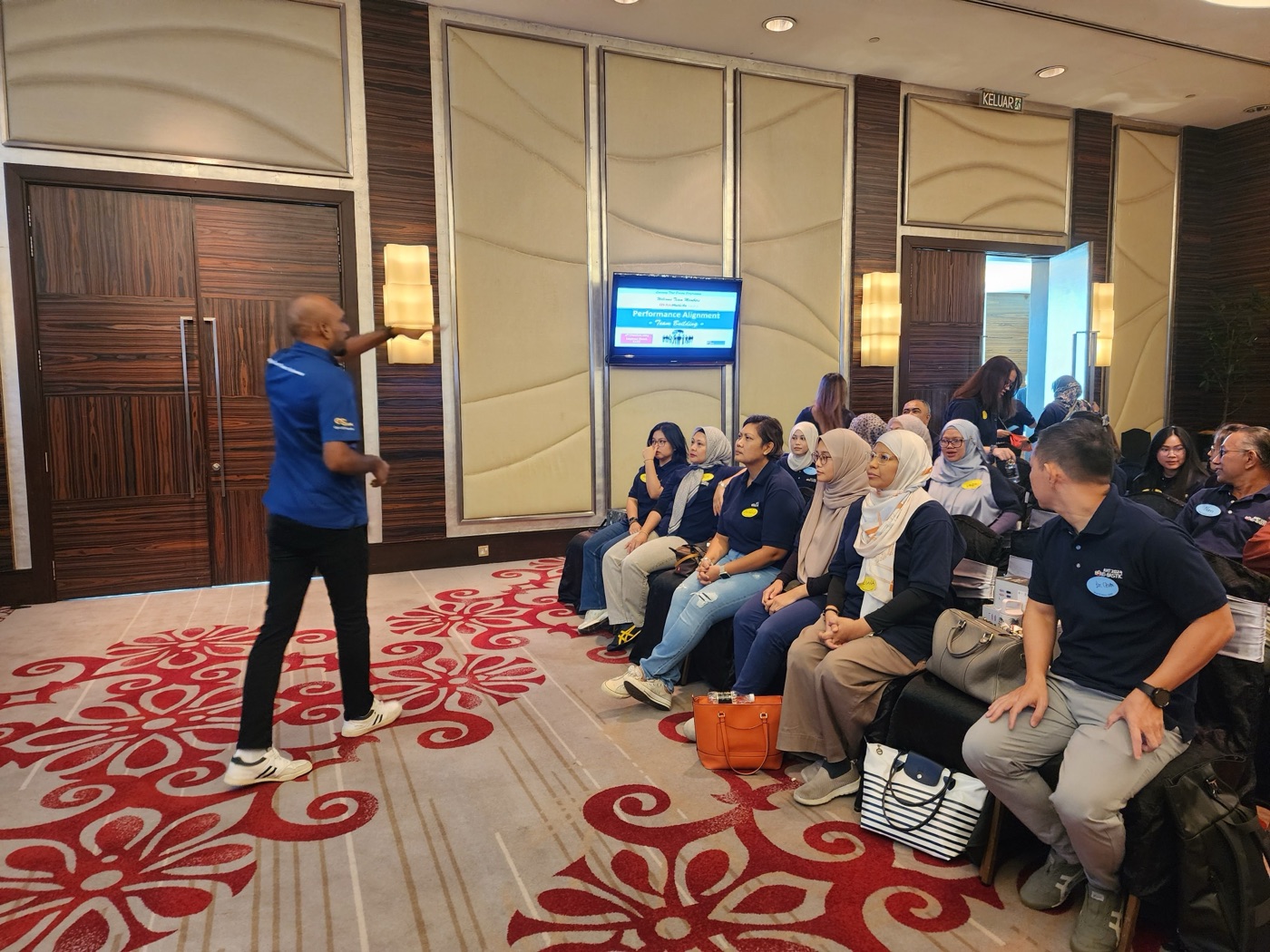
Sales Training Malaysia: How to Boost Sales Performance
Hiring more salespeople rarely fixes flat revenue; building the skills of the team you have usually does. Here is how sales training boosts sales performance in Malaysia, which skills move the needle, and what makes a course HRD Corp claimable.
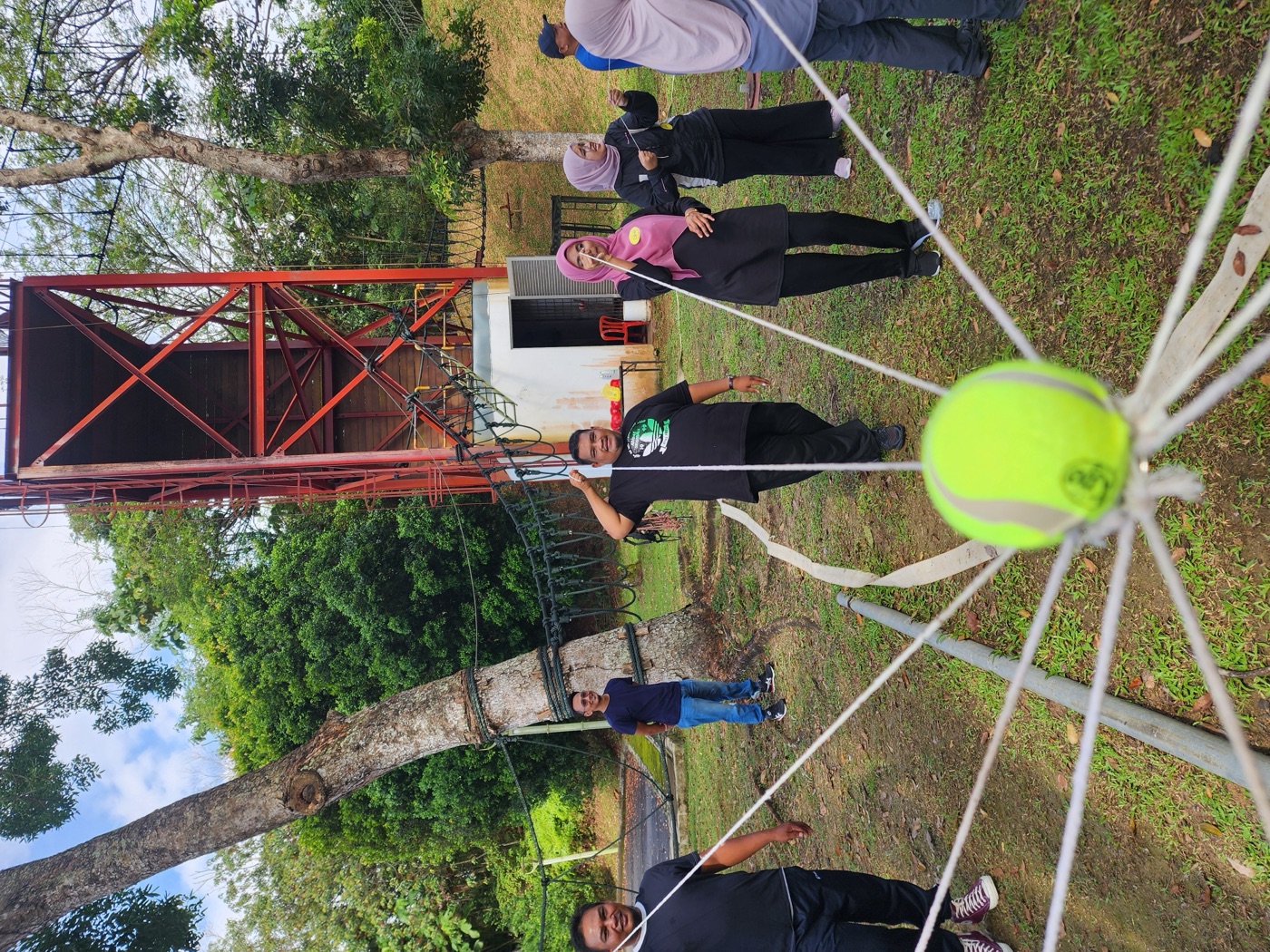
HRD Corp Claimable Sales Training in Malaysia: A Buyer Guide
Sales training can be fully funded through your HRD Corp levy, if you buy it correctly. Here is how HRD Corp claimable sales training works in Malaysia and how to avoid a rejected claim.
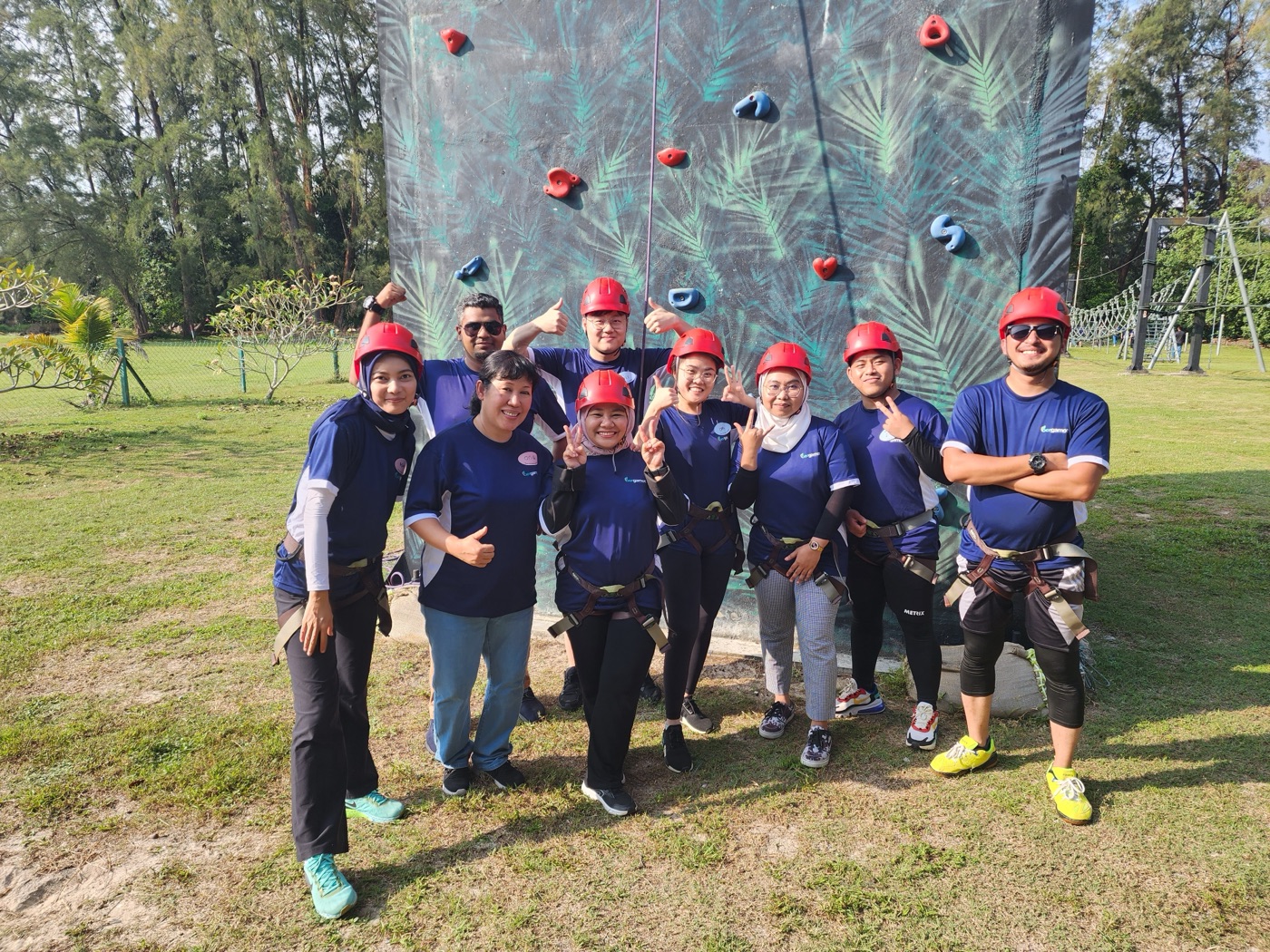
Welding Certification Cost in Malaysia: SMAW & AWS D1.1
Welding certification is a high-return investment for fabricators and contractors. Here is what SMAW training and AWS D1.1 certification cost in Malaysia and what the fee should include.
Inspired by this read?
Let's discuss how we can bring these insights into your next corporate training or team building session.