
Employee Retention Strategies in Malaysia: Leveraging Training for Success
Written By
Neeta
Employee retention strategies in Malaysia involve creating a positive work environment, offering competitive compensation, and providing growth opportunities through training programs. Addressing reasons for employee turnover is crucial for a stable workforce.
TL;DR Answer
Employee retention strategies in Malaysia involve creating a positive work environment, offering competitive compensation, and providing growth opportunities through training programs. Addressing reasons for employee turnover is crucial for a stable workforce.
Key Takeaways
- Employee turnover in Malaysia varies across sectors.
- Strategic training programs directly address the root causes of employee turnover.
- HRD Corp (formerly HRDF) is a key resource for Malaysian companies seeking to improve employee retention through training.
- Measuring the ROI of training on employee retention is crucial for justifying training investments and demonstrating their impact on the bottom line.
- A well-structured 12-month training calendar can provide a roadmap for continuous employee development and retention.
Employee retention strategies in Malaysia involve creating a positive work environment, offering competitive compensation, and providing ample opportunities for growth and development through effective training programs.
Understanding and addressing the reasons why employees leave is crucial for building a stable and productive workforce. Redefine Learning Asia, with 25+ years of experience as an HRD Corp certified corporate training provider in Malaysia (KL / Selangor / Penang), understands these challenges and offers tailored solutions.
Understanding Employee Turnover in Malaysia: Key Causes and Trends
Employee turnover in Malaysia varies across sectors. Tech, F&B, BPO, and retail often experience higher rates, ranging from 15% to 30% annually. Understanding the reasons behind these numbers is the first step in crafting effective retention strategies.
Here are the top 5 causes of employee turnover in Malaysian companies:
- Lack of Growth Opportunities: Employees, especially younger generations, seek continuous learning and career advancement. Stagnant roles lead to dissatisfaction and attrition.
- Weak Onboarding Processes: A poor onboarding experience can leave new hires feeling lost and undervalued, increasing the likelihood of early departure.
- Insufficient L&D Investment: Companies that don't invest in employee training and development signal a lack of commitment to their workforce's future.
- Poor Management Practices: Ineffective leadership, lack of recognition, and poor communication contribute significantly to employee dissatisfaction.
- Compensation Issues: While not always the primary driver, uncompetitive salaries and benefits packages can push employees to seek better opportunities. Many seek opportunities that pay in stronger currencies than the Malaysian Ringgit.
The Power of Training: How Structured Programs Combat Turnover
Strategic training programs directly address the root causes of employee turnover. By investing in your employees' growth, you demonstrate your commitment to their success and create a more engaged and loyal workforce.
How training combats turnover:
- Growth Opportunities: Training provides employees with new skills and knowledge, opening doors to career advancement within the company. A Q3 2025 cohort of 80 HiPo managers from a regional bank participated in a leadership development program, resulting in several internal promotions within six months.
- Onboarding: Structured onboarding programs equip new hires with the tools and knowledge they need to succeed, fostering a sense of belonging and confidence.
- L&D Investment: Demonstrates a commitment to employee development, boosting morale and loyalty.
- Management Practices: Leadership training equips managers with the skills to effectively lead, motivate, and support their teams.
- Compensation: While training doesn't directly address compensation, it increases employee value and productivity, justifying potential salary increases.
Investing in training is an investment in employee retention. Engaged, skilled, and valued employees are far less likely to seek opportunities elsewhere.
HRD Corp Programs: A Retention-Focused Training Solution
HRD Corp (formerly HRDF) is a key resource for Malaysian companies seeking to improve employee retention through training. As an HRD Corp certified training provider, Redefine Learning Asia can help you leverage available grants and programs to maximize your training investment. Many programs are available via SBL Khas schemes.
Specific HRD Corp programs that target retention include:
- Leadership Training for Line Managers: Equips managers with the skills to effectively lead and motivate their teams.
- Soft Skills Development: Enhances communication, teamwork, and problem-solving skills, creating a more positive and collaborative work environment.
- Structured Onboarding Programs: Provides new hires with a comprehensive introduction to the company, their role, and their colleagues.
Accessing and implementing these programs is straightforward. Contact Redefine Learning Asia for assistance with HRD Corp registration and grant applications. We can guide you through the process and help you identify the programs that best meet your company's needs.
Measuring the ROI of Training on Employee Retention
Measuring the ROI of training on employee retention is crucial for justifying training investments and demonstrating their impact on the bottom line.
Key metrics to track:
- Employee Turnover Rate: Track turnover rates before and after training implementation.
- Employee Engagement Scores: Measure employee engagement through surveys and feedback sessions.
- Absenteeism Rate: Monitor absenteeism rates as an indicator of employee morale and satisfaction.
- Productivity Levels: Assess changes in productivity following training programs.
Calculating the ROI of training involves comparing the cost of training with the benefits gained from reduced turnover, increased productivity, and improved employee engagement. For example, reducing turnover by 5% can save a company thousands of Malaysian Ringgit in recruitment and training costs.
Building a 12-Month Retention Training Calendar: A Practical Guide
A well-structured 12-month training calendar can provide a roadmap for continuous employee development and retention.
Here's a sample calendar:
- Q1: Onboarding Program Enhancement (for all new hires), Communication Skills Workshop (for all employees).
- Q2: Leadership Development Program (for managers), Team Building Activities.
- Q3: Technical Skills Training (specific to department needs), Conflict Resolution Workshop.
- Q4: Performance Management Training (for managers), Career Development Planning Workshop (for all employees).
Customize the calendar to meet your specific company needs and industry requirements. Consider incorporating a mix of leadership development, soft skills training, and onboarding programs. Redefine Learning Asia can assist in designing and delivering customized training programs tailored to your organization's goals.
Case Studies: Successful Employee Retention Training Programs in Malaysia
Several Malaysian companies have successfully reduced employee turnover through strategic training programs.
One example is a tech company in Selangor that implemented a comprehensive leadership development program for its managers. The program focused on improving communication, delegation, and performance management skills. As a result, the company saw a 15% reduction in employee turnover within one year.
Another example is a retail chain in Penang that invested in soft skills training for its customer service staff. The training focused on improving communication, empathy, and problem-solving skills. This led to increased customer satisfaction and a significant reduction in employee turnover.
These case studies demonstrate the power of training to improve employee retention and drive business results.
Integrating Training with Onboarding and Soft Skills Development
Seamlessly integrating retention-focused training programs with existing onboarding processes is crucial for creating a positive and supportive work environment from day one.
Ensure that new hires receive comprehensive training on company culture, values, and expectations during onboarding. Supplement this with ongoing soft skills training to enhance communication, teamwork, and problem-solving skills.
Soft skills are essential for building strong relationships and fostering a positive work environment. Consider incorporating training on topics such as communication, empathy, conflict resolution, and emotional intelligence.
Learn more about our onboarding programs at /onboarding and our soft skills training programs at /soft-skills-training-malaysia.
Future Trends in Employee Retention Training in Malaysia
Emerging trends in employee retention training include personalized learning, microlearning, and gamification.
Personalized learning tailors training content to individual employee needs and learning styles. Microlearning delivers training in short, bite-sized modules that can be easily accessed on mobile devices. Gamification incorporates game-like elements into training to increase engagement and motivation.
Technology plays a crucial role in enhancing the effectiveness of training programs. Online learning platforms, virtual reality simulations, and mobile apps can be used to deliver engaging and interactive training experiences.
The future of employee retention in Malaysia will be shaped by companies that embrace these innovative training approaches and prioritize employee development. As a leading HRD Corp certified training provider, Redefine Learning Asia is committed to staying at the forefront of these trends and helping our clients build a more engaged and loyal workforce.
FAQ
What are the main reasons for employee turnover in Malaysia?
Lack of growth opportunities, weak onboarding processes, insufficient L&D investment, poor management practices, and compensation issues are key drivers of employee turnover.
How can training programs help improve employee retention?
Training programs provide employees with new skills and knowledge, opening doors to career advancement, improving engagement, and fostering a sense of value.
What is HRD Corp and how can it support employee retention efforts?
HRD Corp is a Malaysian government agency that provides funding and support for employee training and development. It offers various programs that can help companies improve employee retention.
How do you measure the ROI of training on employee retention?
Track key metrics such as employee turnover rate, employee engagement scores, absenteeism rate, and productivity levels before and after training implementation.
What are some examples of successful retention training programs in Malaysia?
Leadership development programs, soft skills training, and structured onboarding programs have proven successful in reducing employee turnover in Malaysian companies.
How can onboarding be integrated with retention training?
Ensure that new hires receive comprehensive training on company culture, values, and expectations during onboarding, and supplement this with ongoing soft skills training.
What soft skills are most important for employee retention?
Communication, empathy, conflict resolution, and emotional intelligence are crucial soft skills for building a positive and supportive work environment.
What are the latest trends in employee retention training?
Personalized learning, microlearning, and gamification are emerging trends in employee retention training that leverage technology to enhance engagement and effectiveness.
Related Articles

Structured Employee Onboarding in Malaysia: The Complete 2026 Guide for HR Managers
A practical 2026 playbook for designing a 30-60-90 day employee onboarding program in Malaysia. Covers frameworks, KPIs, mentor enablement, HRD Corp claim pathway, and common mistakes to avoid.
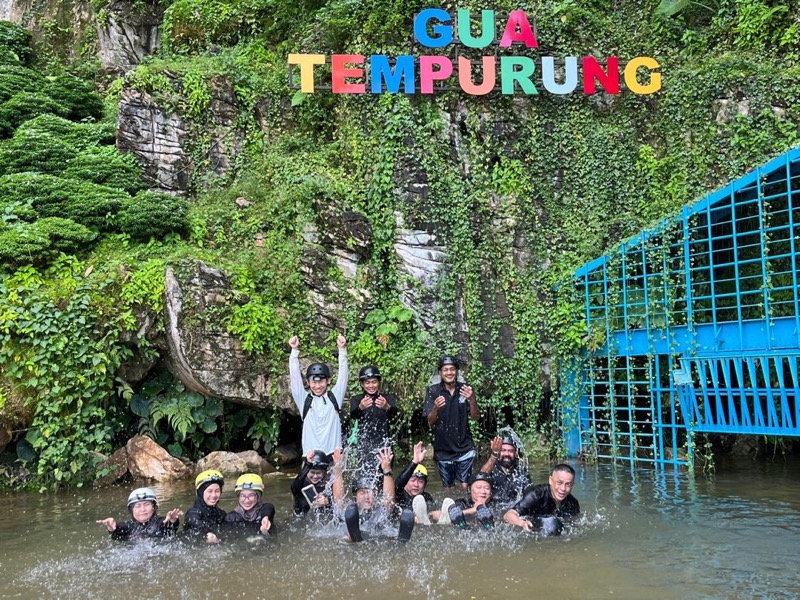
Why Gopeng Is Malaysia's Ultimate Team Building Destination
Discover why Gopeng, Perak is the top choice for corporate team building in Malaysia — from Gua Tempurung cave exploration to white water rafting on Sungai Kampar.
Why Soft Skills Training Matters More Than Ever for Malaysian Companies
Technical skills get people hired. Soft skills determine whether they lead, collaborate, and stay. Here is why Malaysian companies are investing in structured soft skills development.
Inspired by this read?
Let's discuss how we can bring these insights into your next corporate training or team building session.